

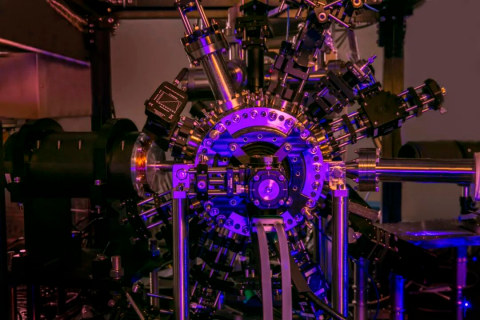
Recently, the strontium optical lattice clock (NIM-Sr1), developed by the National Institute of Metrology (NIM), China, has been officially approved to steer the international standard time. This marks the first time that an optical clock developed in China has been approved to participate in steering international standard time. This will lead more Chinese optical clocks to engage in the cooperation of international atomic time.
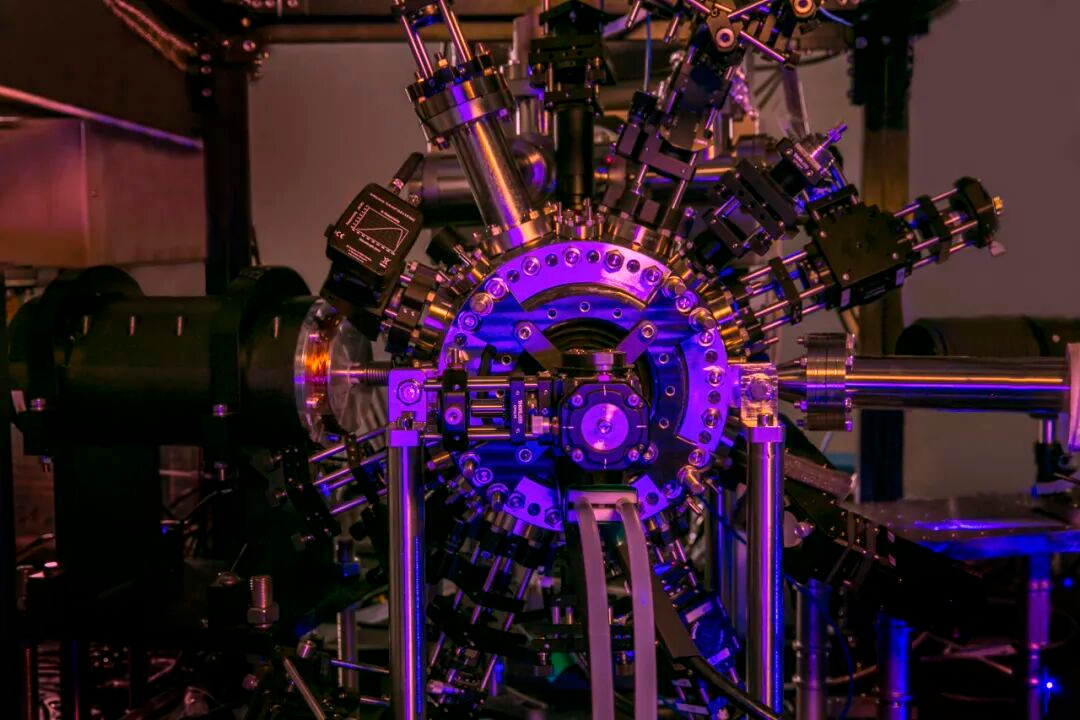
The international standard time is jointly generated by timekeeping institutions worldwide and calibrated by the most accurate primary atomic clocks around the world. At present, the cesium atomic clocks used to realize the definition of the SI second have an uncertainty at the low end of the 10⁻¹⁶ level, while the state-of-the-art optical clocks can achieve uncertainties down to 10⁻¹⁸ or even 10⁻¹⁹ level. Optical clocks are planned to replace cesium atomic clocks to redefine the unit of time and calibrate the international standard time, thereby improving the accuracy of the international standard time.
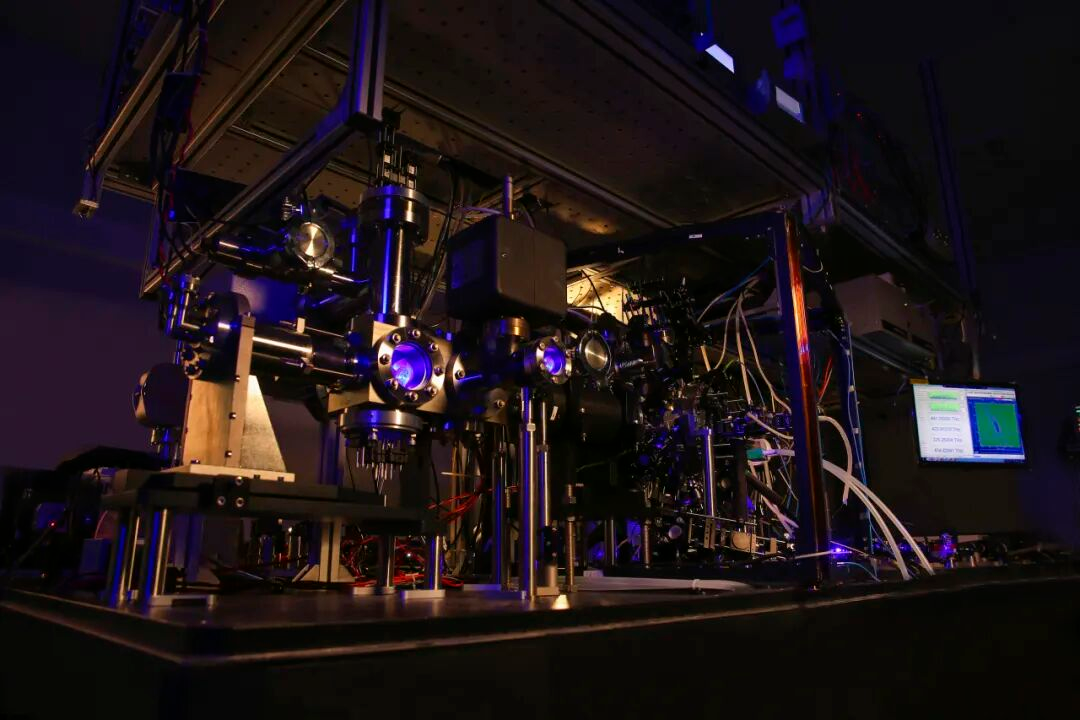
The International Bureau of Weights and Measures (BIPM) published the calibration data of NIM-Sr1 developed by NIM in the 454th Circular T. The optical clock has passed rigorous review by the experts of the Consultative Committee for Time and Frequency (CCTF). Also approved in the same review is the new cesium atomic fountain clock NIM6 developed by NIM, which achieved world-class performance. Together with the cesium atomic fountain clock NIM5, which was approved to steer the international standard time in 2014, NIM now has a total of three primary and secondary frequency standards (PSFSs) contributing to steer the international standard time. These three PSFSs are capable of independently calibrating China Standard Time (CST), which will provide solid support for the development of scientific research and quantum industry in China.

 jinggongwanganbei 11010502037012